Architecture photography as quiet observation
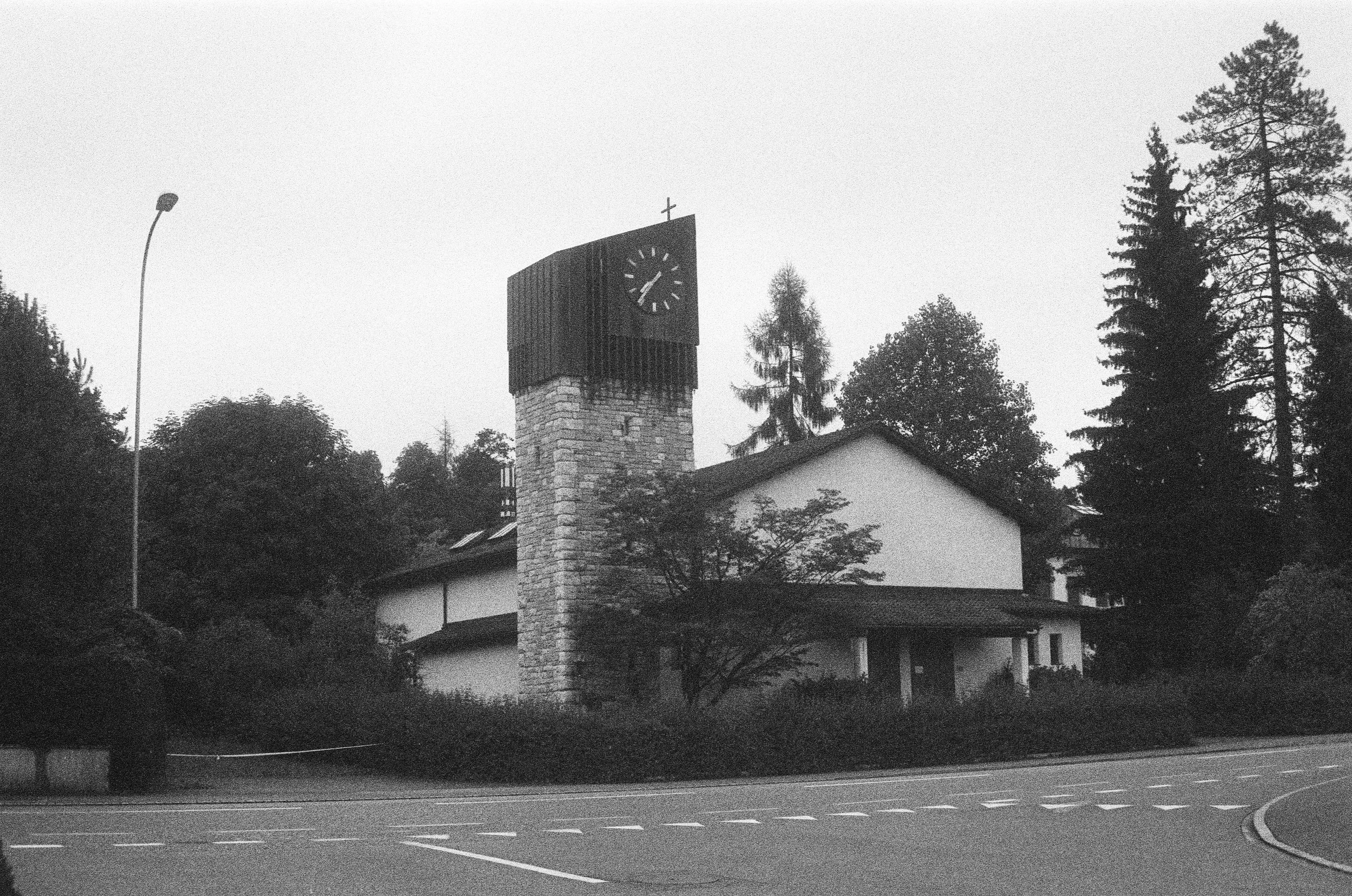
My approach to architecture photography is deliberately semi-documentary. The images are meant to feel unspectacular, restrained. The effort required to make a building work visually should not be visible in the photograph itself. I am not interested in staging architecture, but in allowing it to appear as it is.
A central aspect is the relationship between a building and its surroundings. The architectural relevance of a structure should remain readable within its context, while the building itself is separated as clearly as possible from visual distractions. This requires patience. Every potential perspective must be considered, often repeatedly, until the balance between inclusion and isolation feels right.
Negative space plays an important role in this process. Empty areas give the composition room to breathe and reduce visual noise. They help create images that feel calm, focused, and respectful toward the architecture rather than dominant over it.
Light is treated with the same restraint. I strongly prefer overcast conditions to direct sunlight. Diffuse light avoids dramatic contrasts and allows forms, proportions, and surfaces to remain legible without hierarchy. Shadows should describe, not dramatize.
For me, architecture photography is not interpretation but observation. The photograph should not add meaning, but reveal it - giving local architecture the space to speak for itself.